
By Emma Williams
News headlines change, but some global movements build quietly over time—and their impacts touch even Hartford, CT. Here are five enduring trends shaping our world.
1. Environmental Risks and Climate Urgency
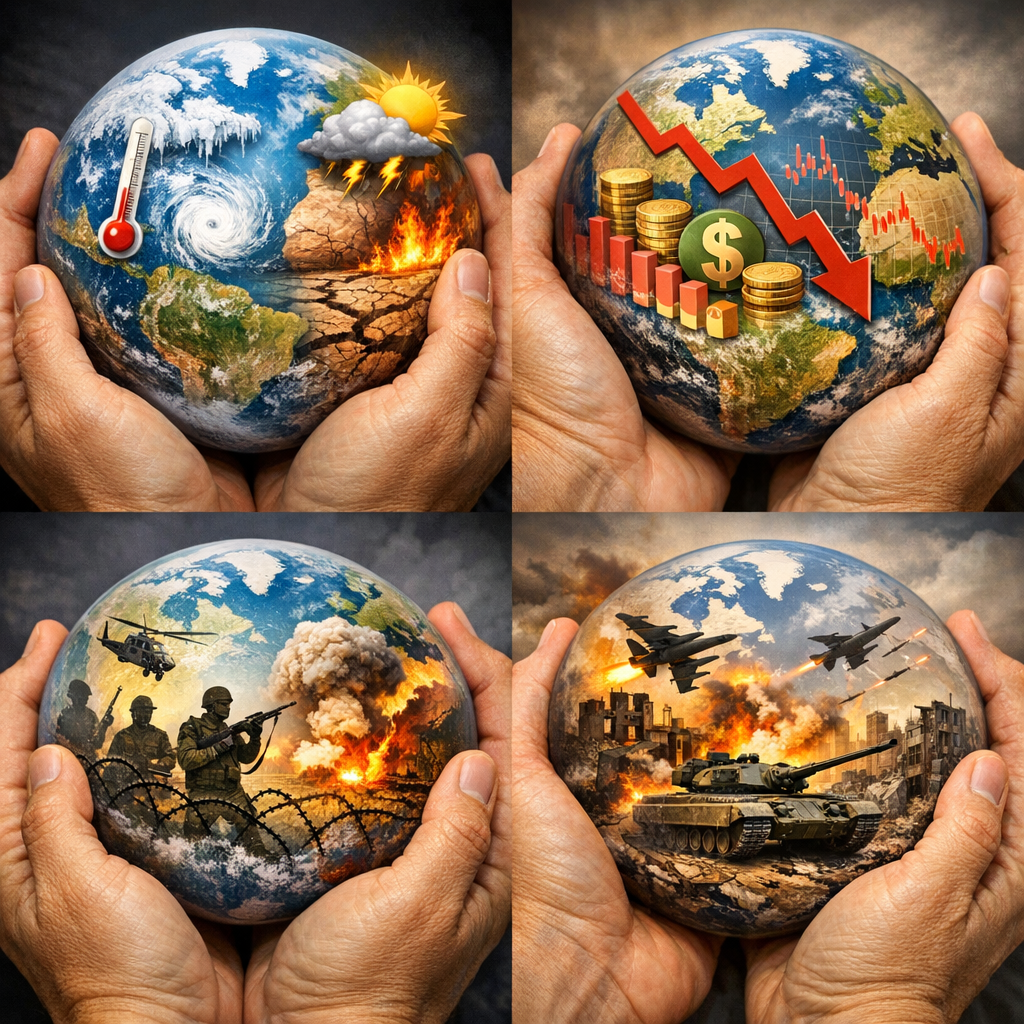
The science is clear: severe weather events, loss of biodiversity, and ecosystem changes are emerging among the top long-term dangers globally. These threats not only hurt the natural world but also disrupt economies, food supplies, and daily life. People and governments are increasingly focused on how to adapt and respond—not just for the future, but for now.
2. Rising Geoeconomic Competition
Trade wars, sanctions, tech restrictions—economic tools are now key instruments in international rivalry. Countries are no longer competing just militarily or diplomatically, but through financial networks, supply chains, and digital platforms. How goods and data move globally is becoming a central global concern.
3. Global Conflicts and Humanitarian Crises
Wars and violence remain widespread, and the fallout is more than just political. Large-scale displacement, food insecurity, and overwhelmed health systems are adding urgency to global humanitarian response efforts. Despite media cycles shifting, people in affected regions continue facing daily life disruptions.
4. Societal Polarization and Institutional Distrust
Division within countries—over politics, identity, values—is rising. Many citizens express diminished faith in political institutions, justice systems, or media. This erosion of trust makes it harder to tackle collective issues such as climate, public health, or equitable economic growth.
5. Global Inequality and Basic Needs
Despite progress in some areas, economic inequality remains stubborn. Across many nations, access to essentials—food, shelter, healthcare—is still uncertain. Extreme poverty may be declining in some places, but projections show hundreds of millions will persist without basic resources if current trends continue.
Why These Matter in Hartford
Global challenges shape local realities—whether through supply chain disruptions affecting grocery prices, extreme weather events influencing migration, or political unrest overseas creating refugee populations locally. By staying informed and engaged, Hartford residents can better understand how world shifts may impact work, education, and community wellbeing.
These trends won’t fade soon. They are part of the long arc of global change—and they call for local awareness paired with global cooperation.