

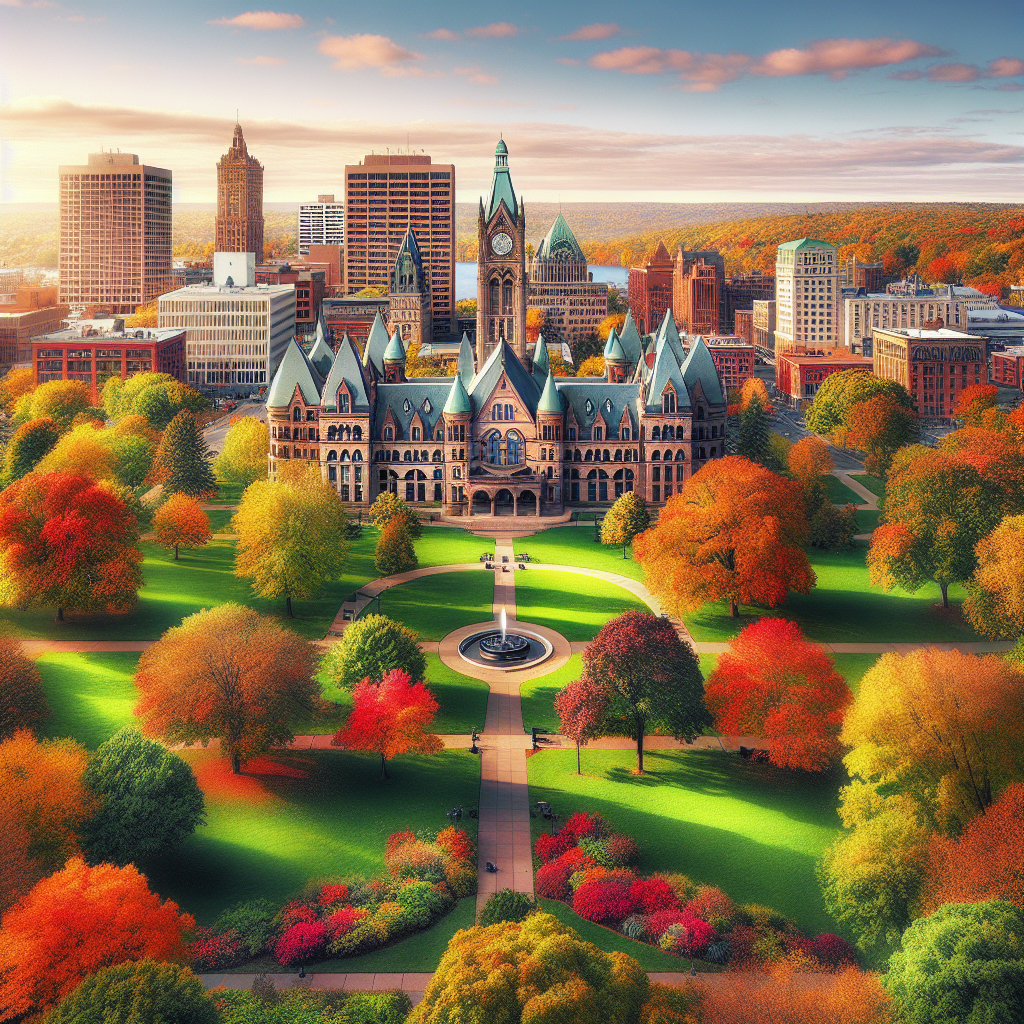
Hartford, Connecticut, experiences a diverse range of weather conditions throughout the year, offering residents and visitors a taste of all four seasons. Understanding these patterns can help in planning activities and preparing for the elements.
Winter
Winters in Hartford are typically cold and snowy. Average high temperatures range from 33.1°F (0.6°C) to 38.5°F (3.6°C), with lows dipping to around 21.4°F (-5.9°C) in January. Snowfall is common, particularly in February, which averages 1.14 inches (29mm) of snow. Despite the cold, Hartford enjoys moderate sunshine during these months, averaging around 4.8 to 5.1 hours per day.
Spring
Spring brings a gradual warming trend. March sees average highs of 43.9°F (6.6°C), increasing to 68.7°F (20.4°C) by May. Daylight hours extend from 12 hours in March to 14.6 hours in May, and rainfall is moderate, with April averaging 0.98 inches (25mm).
Summer
Summers are warm and humid, with average high temperatures peaking at 84°F (29°C) in July. Humidity levels are high, and occasional thunderstorms provide relief from the heat.
Autumn
Autumn sees cooling temperatures, starting with an average high of 73.4°F (23°C) in September, dropping to 48.9°F (9.4°C) by November. Daylight hours decrease, and rainfall increases from 0.43 inches (11mm) in September to 0.94 inches (24mm) in November.
Climate Change Considerations
Climate change is expected to influence Hartford’s weather patterns. The city faces increased risks from extreme precipitation and heat. About 19% of buildings in Hartford are at risk of flooding, with a significant risk level.
Understanding Hartford’s seasonal weather patterns and the potential impacts of climate change is essential for residents and visitors alike. Staying informed and prepared can help mitigate risks and enhance the enjoyment of all that Hartford’s climate has to offer.