

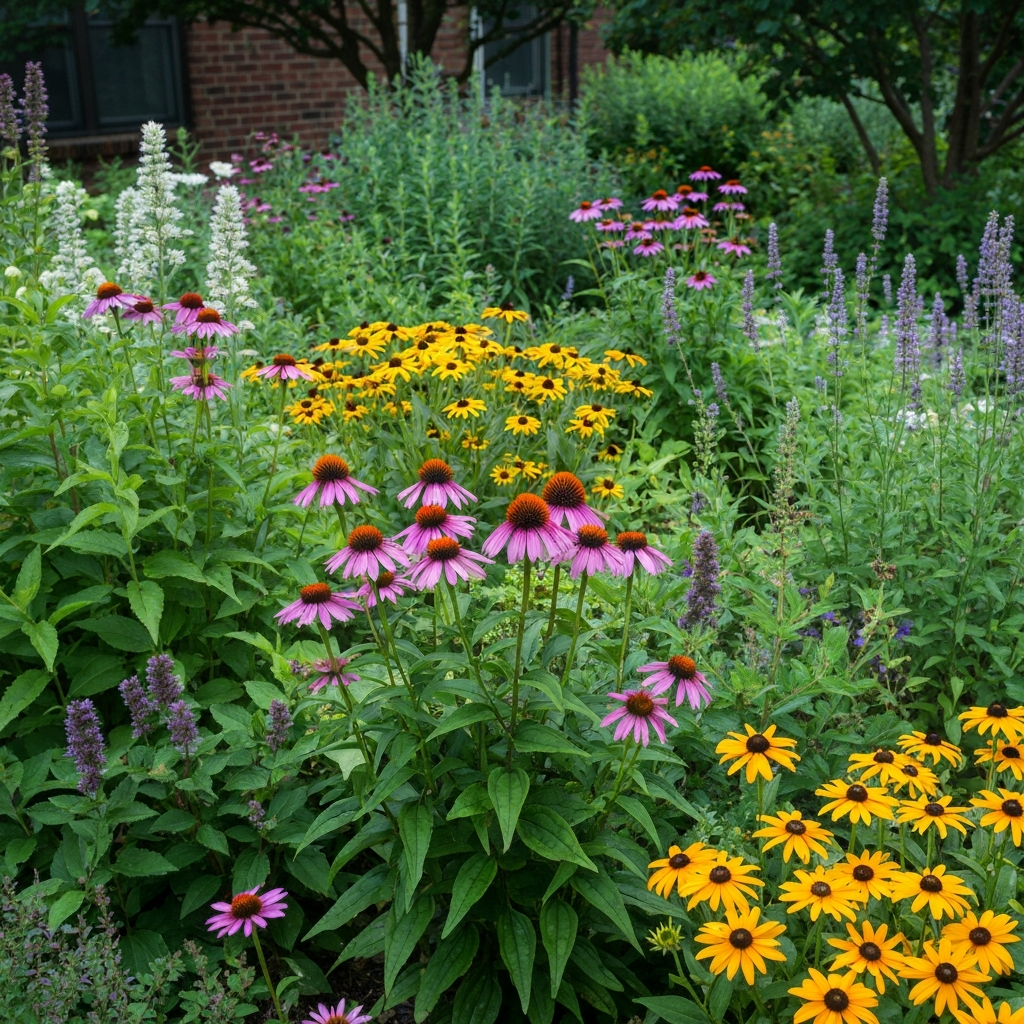
As Hartford faces increasing challenges from climate change, including more frequent heatwaves and heavier precipitation, residents can take proactive steps to enhance the city’s resilience. One effective strategy is integrating native plants into our landscapes. These plants, having evolved in Connecticut’s unique environment, offer numerous benefits that align with our climate adaptation goals.
Why Choose Native Plants?
Native plants are species that have historically grown naturally in a specific region. In Connecticut, these plants have adapted to local soil, climate, and wildlife over thousands of years. Their deep-root systems help manage stormwater by reducing runoff and erosion, which is particularly valuable given Hartford’s increased precipitation risks. Additionally, native plants require less water and maintenance once established, making them a sustainable choice for homeowners and community spaces.
Supporting Local Wildlife
Beyond their environmental benefits, native plants play a crucial role in supporting local biodiversity. They provide essential food and habitat for pollinators like bees and butterflies, as well as birds and other wildlife. For instance, planting species such as Purple Coneflower (Echinacea purpurea) and Black-eyed Susan (Rudbeckia hirta) can attract and sustain pollinators vital to our ecosystems. The University of Connecticut emphasizes that native plants are well-adapted to the local growing season, climate, and soils, making them ideal for supporting pollinators. Learn more
Getting Started with Native Landscaping
Incorporating native plants into your landscape doesn’t require a complete overhaul. Start by assessing your site’s conditions—sunlight exposure, soil type, and moisture levels—to select appropriate species. Resources like the Connecticut Native Tree and Shrub Availability List, compiled by the University of Connecticut, offer comprehensive guides to native species suitable for various conditions. Explore the list
Local initiatives, such as the Connecticut Department of Energy and Environmental Protection’s Native Garden Project, demonstrate the practical application of native landscaping. Their gardens showcase a variety of native species that thrive in our region, serving as inspiration for residents looking to make similar changes. Read about the project
Community Impact
By choosing native plants, Hartford residents contribute to a larger effort of building ecological climate resilience. These plants not only beautify our surroundings but also create healthier habitats for wildlife and help mitigate some of the adverse effects of climate change. As we collectively embrace native landscaping, we foster a more sustainable and resilient Hartford for future generations.